
How visual communication became a gateway to culture, public engagement and exhibition design
Strategic Approach
During my studies in Visual Communication at HEAD – Geneva University of Art and Design, I discovered that communication could extend far beyond graphic design and printed materials.
Visual communication is often associated with branding, editorial design or advertising. Yet it can also play a key role in how people experience culture, interact with information and engage with artistic or historical content. Through several exhibition projects developed during my studies, I had the opportunity to explore the relationships between communication, space, storytelling, and public engagement through exhibition design and museography.
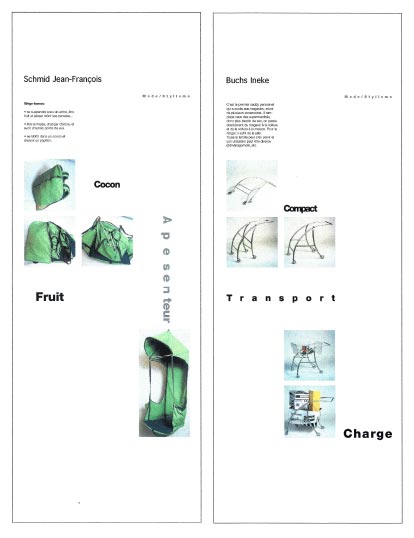
Function and Mobility
One of my early exhibition projects involved the design of exhibition panels, spatial organisation and installation for Function and Mobility, presented at the “Halles de l’Île” in Geneva. The project explored the relationship between objects, movement and everyday uses through a series of design concepts developed by students from different disciplines.
Participating in the exhibition allowed me to experience how visual communication can help structure information within a physical space and support visitors’ understanding of a concept beyond traditional graphic media.
“L’envers du décor” – Behind the Scenes of the Geneva Puppet Theatre
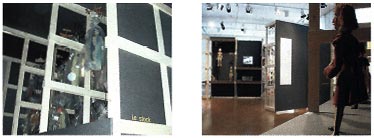
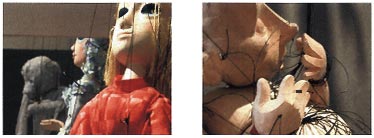
A particularly memorable project was L’Envers du Décor, developed in collaboration with the Geneva Puppet Theatre.
The objective was to reveal the hidden world behind the performances by giving visitors access to the theatre’s history, collections and creative processes. Together with two fellow students, I worked on the exhibition concept, selected the themes and objects to be presented, developed the visual identity and designed the visitor journey throughout the exhibition.
The exhibition invited the public to discover the different stages involved in bringing a puppet performance to life, from the creation of puppets and stage sets to backstage activities and archival collections. Communication materials, videos and live demonstrations complemented the exhibition experience and helped make this cultural heritage accessible to a wider audience.
What began as a student project ultimately attracted significant public interest and media attention, reinforcing the importance of cultural mediation and audience engagement within exhibition design, while also highlighting the rich cultural heritage preserved by the Geneva Puppet Theatre.
Looking Back
Looking back, these projects introduced me to themes that still resonate with me today: culture, communication, public engagement and the creation of meaningful experiences for diverse audiences.
Although my professional career later evolved towards digital communication, content management and project coordination, these early experiences helped shape my interest in projects that connect people with ideas, culture and shared experiences.